Older homes can offer plenty of character, established neighbourhoods and features that are difficult to find in newer construction. But when you’re considering buying an older home in British Columbia, there can also be environmental concerns hiding behind the walls, beneath the flooring or up in the attic.
Some are relatively straightforward to address. Others can significantly affect renovation costs, timelines and even how work on the property must be completed.
Before buying, it helps to know what to look for and when additional environmental testing may be worthwhile.
Asbestos in Older Building Materials
Asbestos is one of the biggest considerations when buying or renovating an older home in BC.
It was used in many building products, including drywall joint compound, vinyl flooring, ceiling textures, insulation and other materials. The presence of asbestos doesn’t necessarily mean a home is unsafe to occupy. Problems typically arise when asbestos-containing materials are disturbed during demolition, renovation or repair work.
If you’re considering a property that will need renovations, testing before work begins can help identify potential asbestos-containing materials and allow you to budget accordingly.
Our What Happens During an Asbestos Inspection? A Step-by-Step Guide for Homeowners and Contractors explains what property owners can expect from the inspection and testing process.
Mould and Hidden Moisture
A home can look perfectly dry during a showing while still having a history of moisture problems.
Look carefully around:
- Attics and roof penetrations
- Basements and crawlspaces
- Windows and exterior doors
- Bathrooms
- Under sinks
- Around plumbing fixtures
- Foundations and lower levels
Musty smells, staining, bubbling paint, warped materials and recently repaired drywall can all justify a closer look.
In some cases, the source of moisture has already been corrected. In others, visible staining may only be one indication of a larger hidden problem.
Our article on Mould in Your Home or Building: Signs, Health Risks, and Professional Removal Options provides more information about what to watch for.
Attic Problems Are Easy to Miss
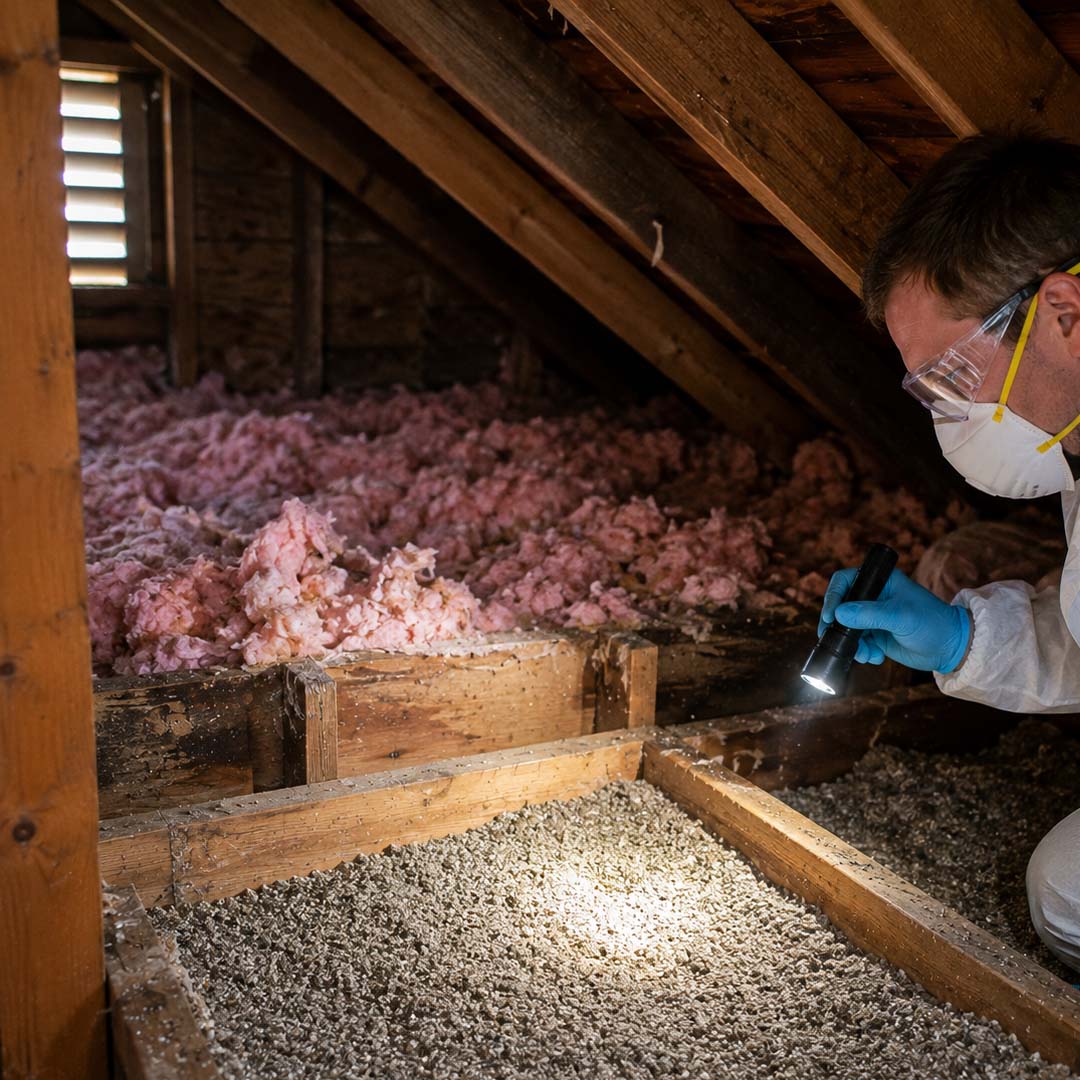
The attic isn’t usually the most memorable part of a home showing, but it can reveal a lot about how the property has been maintained.
Poor ventilation, roof leaks, inadequate insulation and excessive indoor humidity can all contribute to attic moisture and mould.
An attic inspection can sometimes uncover problems that aren’t visible anywhere else in the home.
For a closer look at this issue, see Attic Mould in BC Homes: Causes, Warning Signs, and How to Fix It Properly.
Vermiculite Insulation
Some older homes contain loose-fill vermiculite insulation, particularly in attic spaces.
Not all vermiculite contains asbestos, but some historical vermiculite products were contaminated. If vermiculite is discovered, don’t disturb it simply to determine what’s underneath.
Professional assessment and appropriate testing can help determine what you’re dealing with before renovation or removal work begins.
Lead-Based Paint
Lead-based paint is another consideration in older properties, particularly those built several decades ago.
Intact paint may not present the same concern as deteriorating, peeling or disturbed material. Renovations involving sanding, scraping or demolition, however, can create contaminated dust.
Buyers considering substantial renovations to an older home should include potential hazardous materials in their pre-renovation planning.
Previous Flooding and Water Damage
Ask whether the property has experienced previous flooding, plumbing leaks, sewer backups or significant water intrusion.
Even when repairs look complete, improper drying can leave moisture behind walls, beneath flooring or inside other building assemblies.
This is particularly important following major water damage because moisture can contribute to mould growth and deterioration of building materials.
Our What To Do After a Flood in BC: The First 24 Hours Can Make All the Difference article explains why proper drying and assessment are so important following water damage.
Indoor Air Quality Concerns
Sometimes there isn’t one obvious environmental problem.
Persistent odours, excessive humidity, dust, previous mould problems or a history of renovations can lead buyers to question the overall indoor environment.
Depending on the circumstances, professional assessment or Indoor Air Quality Testing: Why It Matters and What the Results Really Mean can provide additional information before you make decisions about remediation or renovation.
Environmental Problems Don’t Automatically Make a Home a Bad Buy
Finding asbestos, mould or another environmental concern doesn’t necessarily mean you should walk away from an older property.
The important questions are:
What is the problem?
How extensive is it?
What needs to be done to address it properly?
And what is it likely to cost?
Getting answers before completing a purchase or starting renovations gives you much more information to work with.
A property requiring $5,000 worth of environmental work is a very different situation from one requiring extensive remediation throughout the home.
Planning a Renovation? Test Before You Tear Anything Apart
This is particularly important if you’re buying an older property with plans to renovate immediately.
Don’t wait until demolition has started to investigate potentially hazardous materials.
Testing and assessment beforehand can identify areas of concern, help contractors establish the correct procedures and reduce the risk of accidentally disturbing hazardous materials.
SWIPE provides environmental assessments, asbestos testing, mould assessment, indoor air quality services and remediation support for residential and commercial properties throughout British Columbia.
If you’re buying an older property or preparing for renovations and aren’t sure what environmental concerns may be present, having the property properly assessed can help you understand what you’re dealing with before the work begins. Get in touch with us today!
Frequently Asked Questions about buying an older home in BC
Should every older home in BC be tested for asbestos?
Not necessarily. Testing becomes particularly important when suspect building materials will be disturbed by renovations, demolition or repairs. The age of the building and materials present can help determine whether testing is appropriate.
Does finding asbestos mean I shouldn’t buy the house?
No. Asbestos is present in many older Canadian buildings. What matters is where it is located, its condition and whether planned work will disturb it. Professional testing can help determine the scope of the issue.
Can a home inspection detect mould when buying an older home in BC?
A home inspector may identify visible moisture damage or conditions that warrant further investigation, but hidden mould or moisture can require specialized assessment.
Should I test before renovating an older home?
If renovations will disturb materials that could contain asbestos or other hazardous substances, environmental assessment and testing should be considered before demolition begins.
What are the biggest warning signs of moisture problems when buying an older home in BC?
Musty odours, staining, peeling or bubbling paint, warped flooring, condensation, deteriorated drywall and visible mould can all indicate current or previous moisture issues.