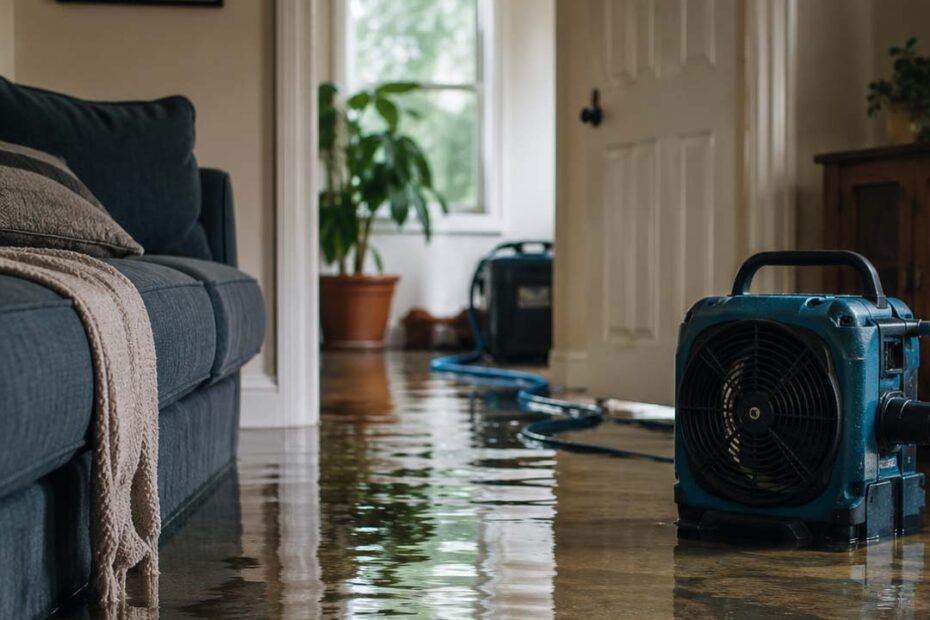
Flooding can happen when you least expect it. Heavy rain, overflowing rivers, sewer backups, burst pipes, appliance failures, and even forgotten taps can leave your home or commercial property dealing with significant water damage in just a few hours.
The first day after a flood is often the most important. Acting quickly can reduce structural damage, limit mould growth, improve the chances of restoring belongings, and help support your insurance claim.
Here’s what property owners in British Columbia should know during the critical first 24 hours after a flood.
1. What To Do After a Flood in BC ? Make Safety Your First Priority
Before entering a flooded property:
- Turn off electrical power if it is safe to do so.
- Watch for structural damage.
- Avoid standing water if electrical hazards exist.
- Wear appropriate protective equipment.
- Do not assume floodwater is clean.
If sewage or contaminated water is involved, avoid direct contact and seek professional assistance immediately.
2. Contact Your Insurance Company
Notify your insurer as soon as possible.
They may ask for:
- Photos and videos of the damage
- A list of damaged belongings
- Dates and times of the incident
- Emergency mitigation invoices
Document everything before beginning cleanup whenever possible.
3. What To Do After a Flood in BC ? Stop the Source of the Water
If safe:
- Shut off the main water supply
- Repair burst plumbing
- Cover roof leaks temporarily
- Prevent additional water from entering the property
Stopping the source prevents further damage while restoration begins.
4. Begin Water Removal Immediately
Standing water should be removed as quickly as possible.
Professional restoration companies use:
- Commercial extraction equipment
- High-capacity pumps
- Industrial wet vacuums
- Moisture mapping equipment
The faster excess water is removed, the lower the risk of permanent damage.
5. Dry the Property Thoroughly
Visible water is only part of the problem.
Moisture often remains inside:
- Drywall
- Insulation
- Flooring
- Subfloors
- Framing
- Crawlspaces
Professional drying equipment and moisture monitoring help ensure materials dry properly before repairs begin.
6. Don’t Ignore the Risk of Mould
Mould can begin developing within 24 to 48 hours under the right conditions.
Early warning signs include:
- Musty odours
- Visible staining
- Damp drywall
- Condensation
- Elevated indoor humidity
Proper drying and moisture control are essential to reducing mould growth. For more information read this article previously published on our blog: Attic Mould in BC Homes: Causes, Warning Signs, and How to Fix It Properly
7. What To Do After a Flood in BC ? Consider Indoor Air Quality
Flooding doesn’t only damage building materials.
Water damage can affect indoor air quality through:
- Mould spores
- Bacteria
- Sewage contamination
- Dust and airborne particles
Testing may be recommended after significant flooding or if occupants experience respiratory symptoms. Read more about: Indoor Air Quality Testing: Why It Matters and What the Results Really Mean
8. Know When Environmental Testing May Be Required
Older buildings may contain hazardous materials that become disturbed during demolition or restoration.
Depending on the age of the property, professionals may recommend:
- Asbestos inspections
- Hazardous materials surveys
- Air quality testing
- Clearance testing
Testing helps ensure repairs can proceed safely. Discover more about: What Happens During an Asbestos Inspection? A Step-by-Step Guide for Homeowners and Contractors
9. Call Professionals Early
Professional environmental and restoration specialists can:
- Assess hidden moisture
- Develop drying strategies
- Coordinate environmental testing
- Reduce mould risks
- Help support insurance documentation
Early intervention often reduces long-term repair costs.
Frequently Asked Questions About What To Do After a Flood in BC
How quickly should flood water be removed?
Ideally within the first 24 hours. Rapid water extraction significantly reduces damage and lowers the risk of mould growth.
Can I clean up flood damage myself?
Minor clean water spills may be manageable, but significant flooding, sewage backups, or contaminated water should always be handled by trained professionals.
How soon can mould start growing after flooding?
Under the right conditions, mould can begin growing within 24 to 48 hours.
What To Do After a Flood in BC ? Will my insurance cover flood damage?
Coverage depends on the cause of the flooding and your individual insurance policy. Contact your insurer immediately after the incident to understand your coverage.
Should older homes be tested for asbestos before repairs begin?
Yes. If demolition or removal of building materials is required in an older property, asbestos testing may be recommended before work begins.
Flood damage can escalate quickly if moisture isn’t addressed properly.
Acting during the first 24 hours helps protect your property, supports insurance claims, reduces the likelihood of mould growth, and creates a safer environment for everyone involved.
Whether you’re dealing with a residential flood, commercial water damage, or a restoration project involving environmental hazards, having experienced professionals assess the situation early can make the recovery process safer, faster, and more effective. Get in touch with us to learn more!