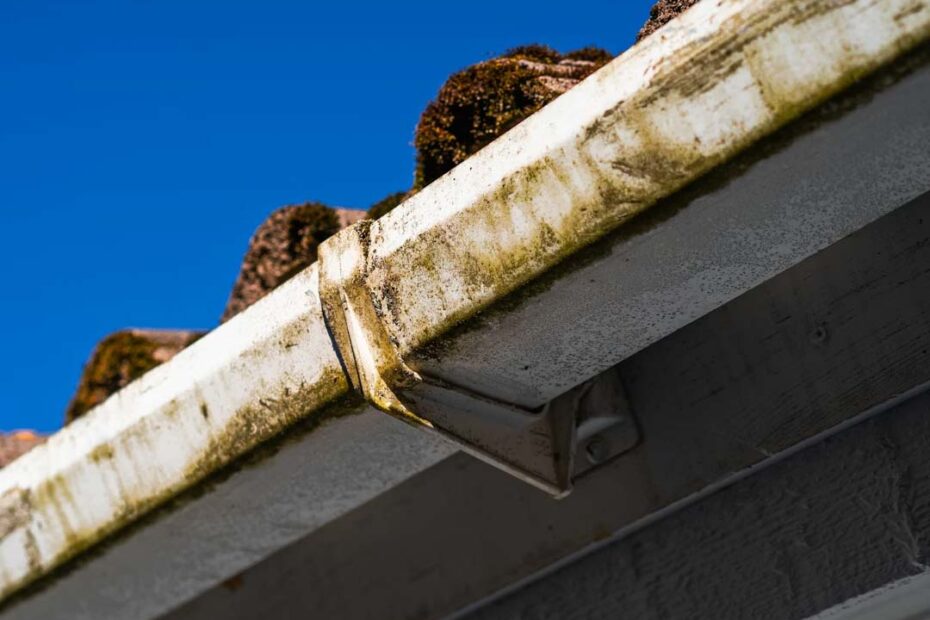
Homes in Canada face long periods of cold, wet weather. These conditions can put pressure on houses that have dealt with mould or asbestos in BC. Winter increases moisture and limits airflow. It also hides small issues until spring. Owners must prepare early to protect their homes. Winterizing helps stop old problems from coming back and strengthens work done during past remediation, keeping indoor air safe. The right steps protect both the structure and the people inside.
Control Moisture Before the Cold Hits
Moisture control matters during every season. It becomes even more important during winter. Wet weather arrives fast in BC. Roofs, basements, and crawl spaces take on stress. A home that has had mould or asbestos needs stable humidity. Moisture can bring mould back or weaken past repairs. Owners should check for leaks before the cold sets in. Roofing, flashing, and gutters must stay clear. They should move water away from the building, as even small blockages can lead to buildup.
Windows play a big role in winter comfort. Old seals invite drafts, while trapping moisture indoors. If windows sweat or fog each morning, you’ve got a problem on your hands. A simple fix can make a big difference. Sealing gaps helps keep warm air inside. It also limits the chance of new moisture entering the home. Basements and crawl spaces also need attention. These spaces hold cold pockets. Cold air and poor drainage create damp floors and walls. If these areas have suffered mould before, they must stay dry. A sump pump, floor drain inspection, or better grading around the home can help.
Ventilation matters too. Many BC homes close tightly during winter. People shut windows and run heaters for months. The causes air to become still and moisture to collect. A balanced ventilation system keeps the air fresh. Make sure your bathroom and kitchen fans work well before temperatures start to drop. They should run long after showers or cooking. Moisture from daily routines builds up fast. If the home had asbestos removed, clean airflow supports indoor health.
Keep Indoor Air Safe Through the Winter Months
Indoor air takes a hit during winter. Heating systems run nonstop, and people stay inside more often. A home that once had mould or asbestos needs special care. Regular furnace checks protect both air and comfort. It’s also important that any filters which trap dust and small fibres stay clean. Dirty filters push old particles into the air. This is not good if you have a home with a history of asbestos in BC.
Humidity control also supports air quality. Most homes feel dry in winter, but hidden areas may stay damp. A humidity meter helps owners track changes. Levels should stay steady. If humidity rises, mould can return. If it drops too low, dust moves more easily. Both conditions put stress on a home with past issues. Small adjustments make a large difference. A portable dehumidifier or humidifier can keep rooms balanced. Bathrooms should stay dry after each use, and kitchens should vent heat and steam outside, not into the attic.
Follow-up inspections matter in older BC homes. Winter can reveal weaknesses in siding, insulation, or attic airflow. Ice dams form on roofs when warm air rises too fast. These dams can push water back under shingles, which can then enter walls or ceilings. A home that had mould before cannot absorb extra moisture. Remediation work fixes damage, but the home must continue to stay dry.
Past asbestos removal also requires long-term care. Professionals often advise periodic air checks. These tests show the general state of indoor air. They help confirm that dust and particles stay low. A winter inspection can catch concerns before they grow. Heating systems and shifting temperatures can disturb them. A simple check reduces worry. It also protects the investment made in earlier remediation. SWIPE supports these follow-up steps. Our team understands post-remediation needs, and we help owners confirm that remediation stays effective.
Contact us Today About Mould or Asbestos in BC
Winter moves fast in BC. Homes that previously had mould or asbestos must stay dry and well-ventilated. Moisture control keeps repairs strong, and good airflow protects indoor health. Seasonal checkups uncover issues early. SWIPE Contracting can guide you through each step. We offer post-remediation support that keeps your home safe all winter. Reach out to us to prepare your home now and move into the season with confidence!
FAQ About Homes That Have Had Mould or Asbestos in BC
How often should I check for moisture during winter?
Check weekly. Moisture changes fast during cold and wet months.
Can mould return after remediation?
Yes. It can return if the humidity rises. Keep humidity stable to reduce this risk.
Should I test for asbestos again after removal?
Periodic air checks help confirm safety. Follow your remediation team’s advice.
Why does indoor air feel worse in winter?
People stay indoors more, and homes stay closed. Air becomes stale and holds more particles.
How can Swipe help after remediation?
Swipe supports ongoing checks, moisture control guidance, and winter prep to keep your home safe.