The first cold weeks of the year can reveal a surprising amount about the condition of a building.
Windows begin to fog up, unfamiliar smells become more noticeable, and small patches of discolouration appear in places that looked perfectly fine throughout the summer.
While these changes are easy to dismiss as seasonal inconveniences, they can also be early warning signs of winter moisture problems.
Across British Columbia, colder temperatures, reduced ventilation, rain and snow can expose existing weaknesses in residential and commercial buildings.
Here are six signs your property may be telling you something worth investigating.
1. Your Windows Are Constantly Covered in Condensation
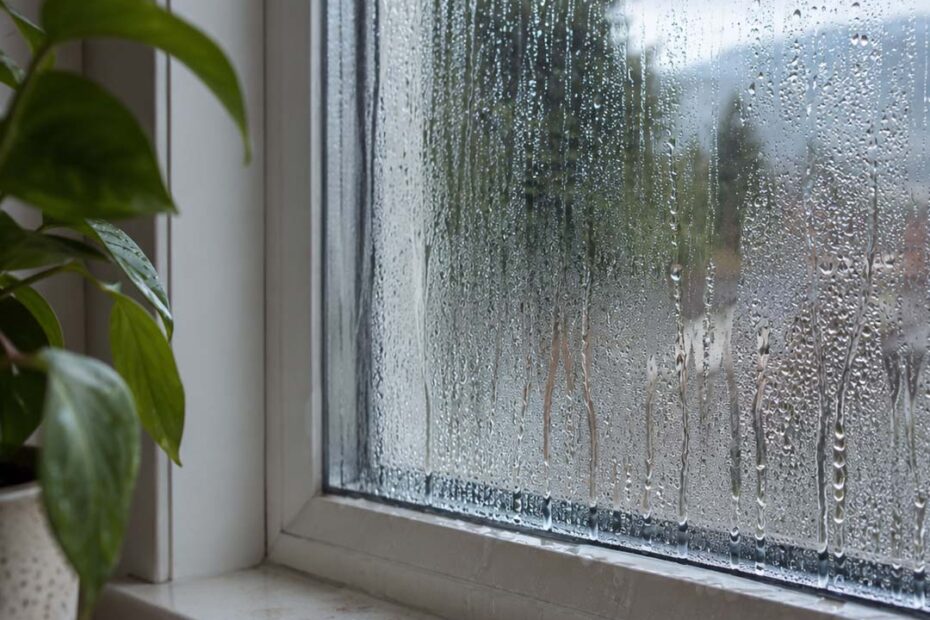
A little condensation on a window during colder weather isn’t necessarily unusual. However, persistent condensation, pooling water on windowsills or dampness around window frames deserves closer attention.
When warm, humid indoor air comes into contact with a cold surface, moisture can condense into water droplets.
Over time, repeated exposure to moisture can damage window frames, drywall and surrounding finishes. It can also create conditions that support mould growth.
If you’re wiping down the same windows every morning, it may be worth investigating indoor humidity, ventilation and the condition of your windows.
2. There’s a Musty Smell That Wasn’t There Before
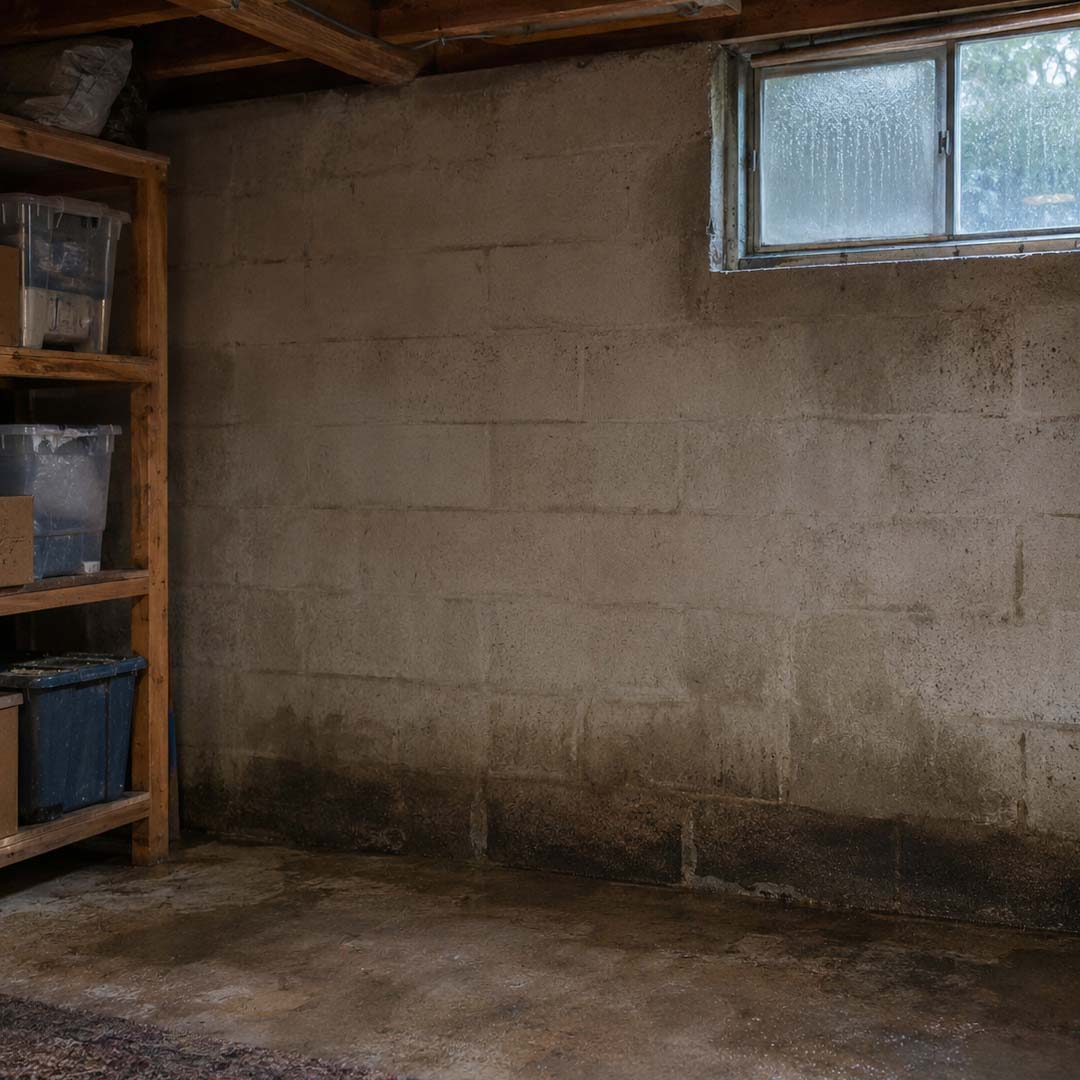
Have you noticed an earthy or musty smell when entering a basement, office, storage room or rarely used bedroom?
During winter, buildings typically receive less natural ventilation. Environmental concerns that were less noticeable during warmer months may become more apparent.
Persistent musty odours can be associated with hidden moisture, damp building materials or mould growth.
The absence of visible mould doesn’t necessarily mean there isn’t a problem. Moisture can accumulate behind walls, underneath flooring and inside concealed building cavities.
Rather than masking the smell with air fresheners, consider having the source investigated.
Read more about the signs of mould in your home or building and professional removal options.
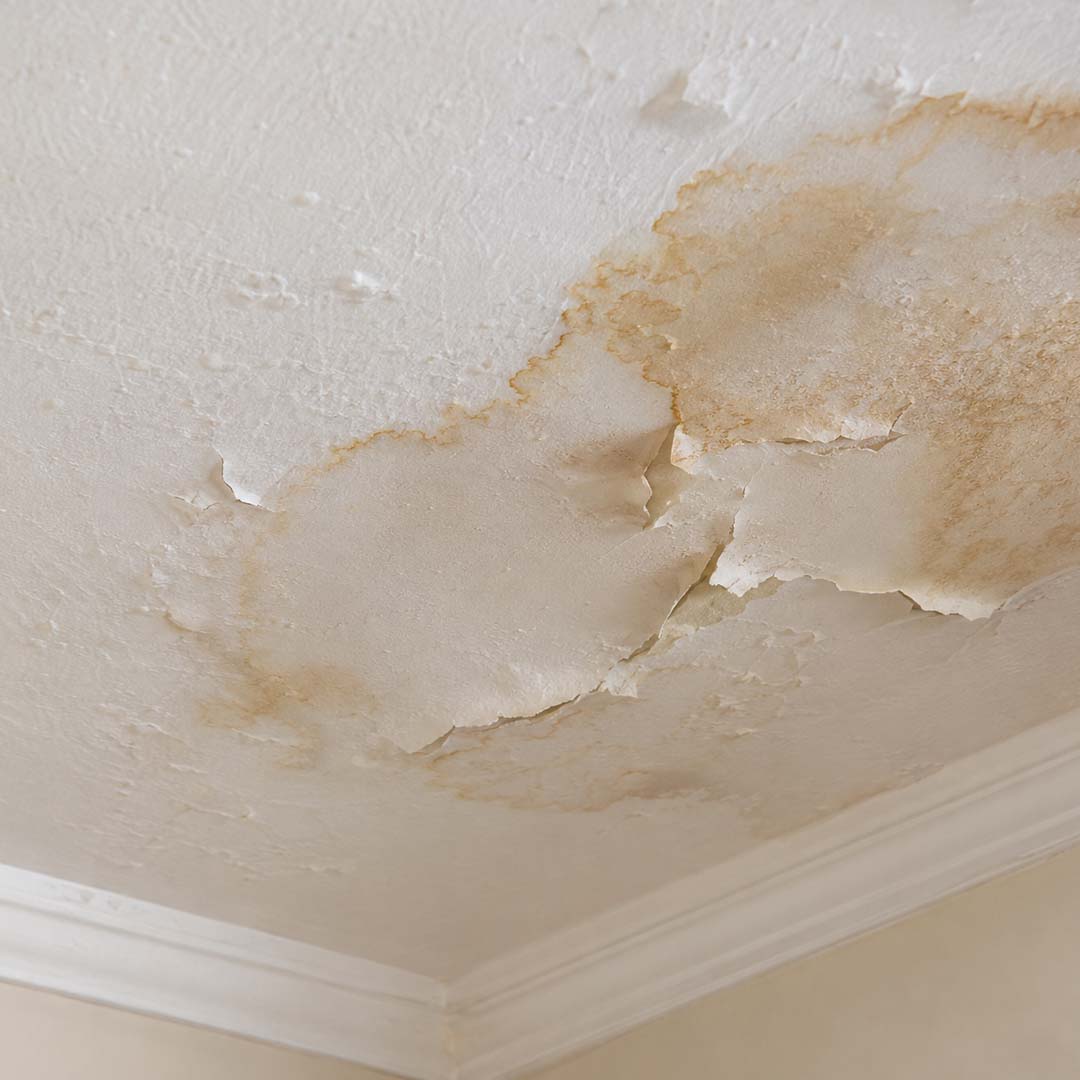
3. Paint Is Bubbling or Discolouration Is Appearing on Walls
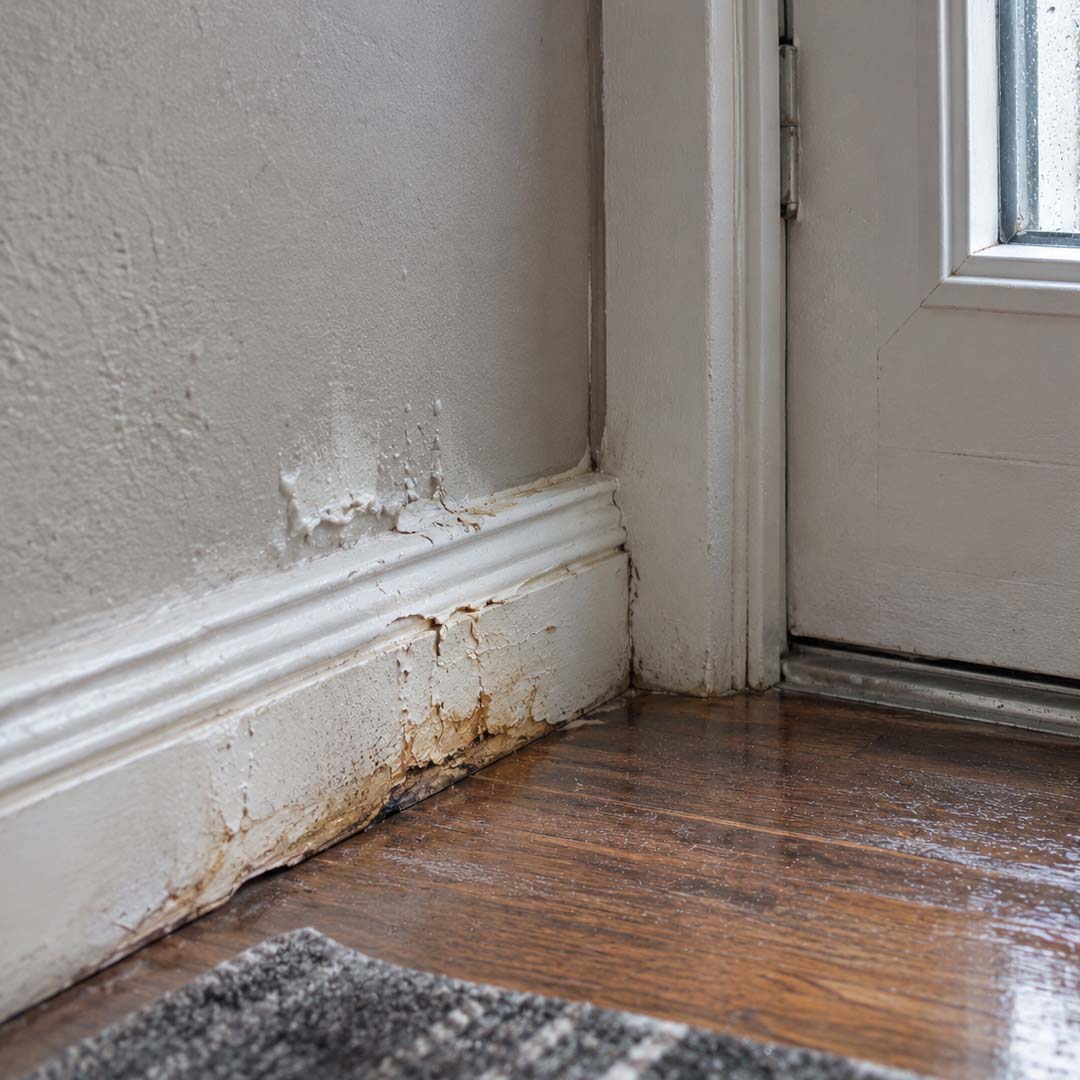
A small brown stain on the ceiling or a patch of bubbling paint might not seem particularly concerning at first.
However, these changes can indicate moisture moving through or accumulating behind finished surfaces.
Potential sources include:
- Roof or flashing leaks
- Plumbing problems
- Exterior water intrusion
- Condensation within building cavities
- Previous water damage that was not adequately addressed
Winter rain, snow accumulation and freeze-thaw conditions can expose vulnerabilities in a building’s exterior.
Repainting a damaged surface without identifying the underlying cause may temporarily improve its appearance, but it won’t resolve an ongoing moisture problem.
4. The Attic Looks Damp or Frosty
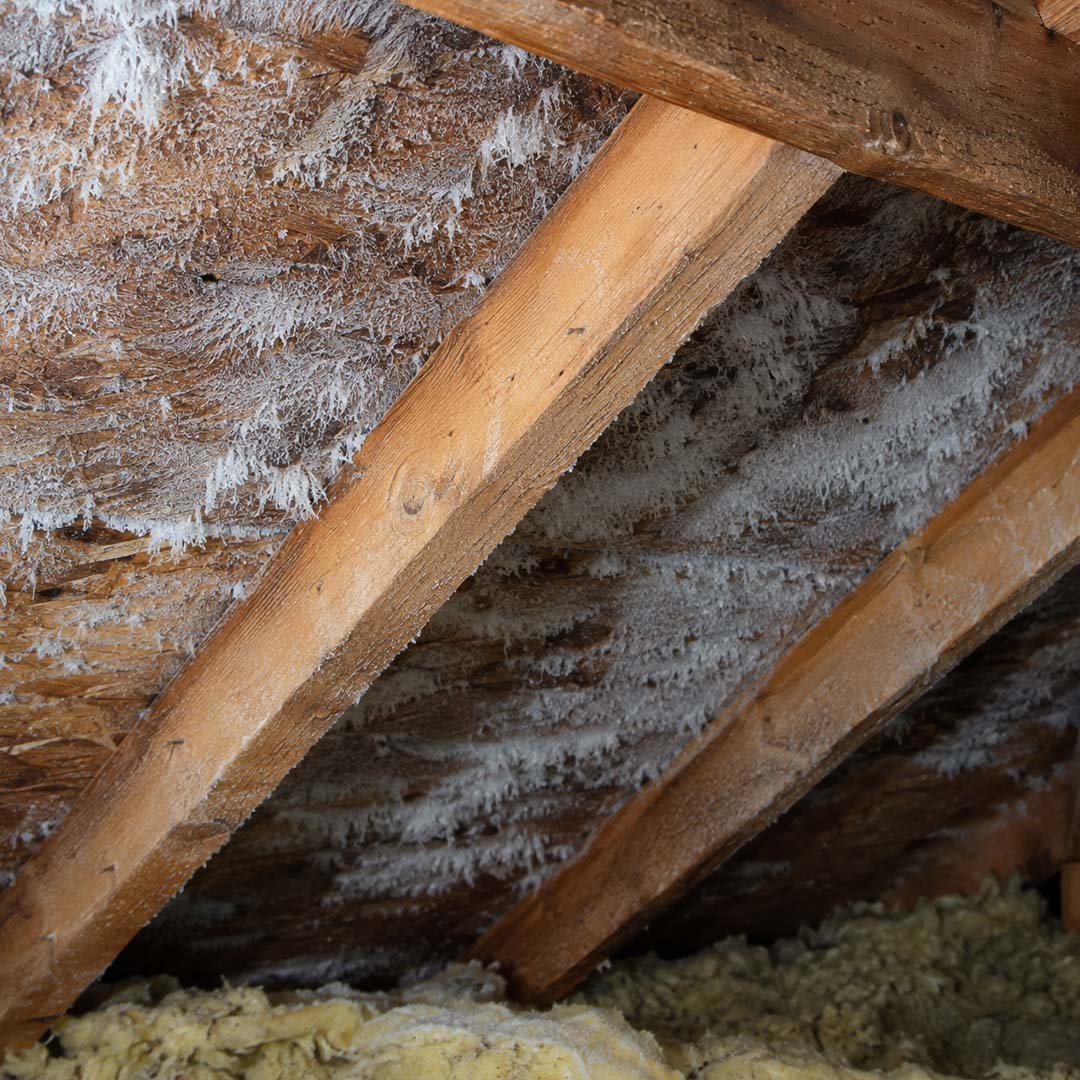
Attics are particularly vulnerable to winter moisture problems because they sit between heated living spaces and colder outdoor conditions.
When warm, moisture-laden indoor air escapes into a cold attic, condensation or frost can form on roof sheathing, framing and other surfaces.
As temperatures rise, accumulated frost can melt, leaving building materials damp.
Over time, repeated moisture exposure can contribute to mould growth and deterioration.
Bathroom exhaust fans, air leakage, insulation deficiencies and ventilation issues can all contribute to attic moisture concerns.
If you suspect a problem, a professional inspection can help identify the source without unnecessarily disturbing potentially hazardous materials.
Learn more about attic mould in BC homes, its causes and warning signs.
5. Your Flooring or Baseboards Are Starting to Change
Swollen baseboards, lifting flooring and unexplained changes in the appearance of wood or laminate can indicate moisture beneath or behind finished materials.
In commercial buildings, moisture can also develop around entrances where snow, rain and slush are regularly tracked indoors.
Basements, ground-level rooms and areas near exterior doors may be particularly susceptible.
By the time flooring begins to change shape, moisture may already have affected materials that aren’t immediately visible.
An assessment can help determine the extent of the problem and whether additional drying, investigation or remediation is necessary.
Find out why addressing water damage quickly can make all the difference.
6. The Air Inside Your Building Feels Different

As windows remain closed and heating systems operate more frequently, occupants may become more aware of stale air, persistent odours or changes in indoor comfort.
These observations alone cannot establish whether mould or another airborne contaminant is present. However, they can provide a reason to investigate indoor environmental conditions.
For homeowners, landlords, business owners and property managers, an indoor air quality assessment may help determine whether further investigation or targeted testing is appropriate.
Depending on the findings, recommendations may include moisture control, ventilation improvements, additional inspections or remediation.
Read our article on indoor air quality testing and what the results really mean.
Why Winter Moisture Problems Shouldn’t Wait Until Spring
It can be tempting to put off investigating a moisture problem until the weather improves.
However, moisture can continue to accumulate throughout the winter, particularly when the underlying source remains unresolved.
What begins as a relatively localized concern may become more extensive if building materials remain damp for prolonged periods.
Early investigation can help property owners better understand the problem, determine what needs attention and reduce the likelihood of more extensive repairs.
If investigation or repairs involve disturbing older building materials, asbestos and other hazardous materials should also be considered before work begins.
Is Your Building Trying to Tell You Something?
Not every fogged window, musty room or ceiling stain indicates a major environmental problem. But persistent or recurring changes deserve attention.
SWIPE Contracting helps residential and commercial property owners investigate environmental concerns involving mould, moisture damage, asbestos and indoor air quality.
Serving Kelowna, Vernon, Penticton, Kamloops, Chilliwack and surrounding communities, our team can help you determine the appropriate next steps when something doesn’t seem quite right.
Contact SWIPE Contracting to discuss your indoor environmental concerns or schedule an assessment.
Frequently Asked Questions
Is condensation on windows normal during winter?
Occasional condensation can be normal when warm indoor air meets cold glass. Persistent condensation, pooling water or damage to surrounding materials may indicate excessive humidity, ventilation issues or other building concerns.
Can mould grow during winter in BC?
Yes. Mould can grow indoors during winter when suitable temperatures and sufficient moisture are present. Attics, basements, bathrooms and concealed building cavities can be particularly vulnerable.
Does a musty smell always mean there is mould?
No. Musty odours can have several causes, including damp materials and poor ventilation. A professional assessment can help identify the source and determine whether mould testing is appropriate.
Can winter moisture problems affect commercial buildings?
Yes. Commercial buildings can experience moisture problems related to roof leaks, condensation, plumbing failures, ventilation deficiencies and water entering through exterior doors.
Should I wait until spring to investigate moisture damage?
Persistent moisture concerns should be investigated promptly. Waiting may allow ongoing water intrusion or dampness to cause further deterioration and create conditions that support mould growth.