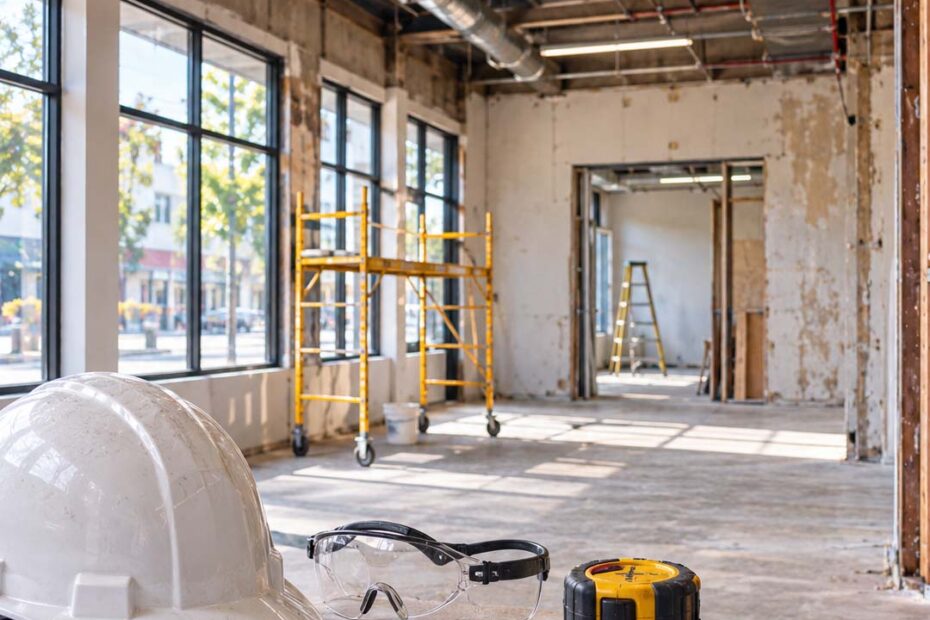
Renovating an older commercial building can be an exciting opportunity. Whether you’re updating an office, converting a retail space, improving a rental property or preparing a building for new tenants, renovations can improve functionality and extend the useful life of a property.
But older commercial buildings in British Columbia can also contain environmental hazards that aren’t immediately visible.
Asbestos-containing materials, hidden mould, lead-based paint and previous water damage can all create unexpected complications once construction begins.
Identifying these concerns before demolition or renovation work starts can help protect workers, reduce delays and prevent unexpected costs.
Why Environmental Assessments Matter Before Commercial Renovations
Commercial renovations often involve removing walls, replacing flooring, upgrading mechanical systems or opening ceilings to access electrical and plumbing components.
In older buildings, these activities can disturb materials that contain hazardous substances.
Discovering a potential environmental hazard after demolition has already started can result in work stoppages, additional testing, specialized removal requirements and changes to the construction schedule.
An environmental assessment before construction begins helps property owners and contractors understand which materials may require special handling.
It also provides an opportunity to coordinate necessary remediation work before other trades arrive on site.
1. Asbestos in Older Commercial Buildings
Asbestos is one of the most important environmental concerns when renovating older commercial properties.
Historically, asbestos was incorporated into numerous construction materials because of its durability, heat resistance and insulating properties.
Depending on the building’s age and construction history, asbestos-containing materials may be found in:
- Drywall joint compound
- Vinyl floor tiles and adhesives
- Textured ceilings
- Pipe and mechanical insulation
- Ceiling tiles
- Fireproofing materials
- Certain roofing and exterior products
The presence of asbestos doesn’t automatically mean a building is unsafe to occupy. However, disturbing asbestos-containing materials during renovation or demolition can release hazardous fibres.
In British Columbia, employers and contractors must follow applicable WorkSafeBC requirements for identifying asbestos hazards before work that could disturb these materials.
Testing and appropriate hazardous materials assessments should be completed before affected materials are removed.
What Happens During an Asbestos Inspection? A Step-by-Step Guide for Homeowners and Contractors
What Happens if Asbestos Is Discovered?
If asbestos-containing materials are identified within the renovation area, the project may require specialized abatement before general demolition can proceed.
The scope depends on the materials involved, their condition, accessibility and the proposed construction work.
Early identification allows contractors to account for abatement requirements when establishing project costs and schedules.
2. Hidden Mould and Moisture Damage
Commercial buildings can develop moisture problems for many of the same reasons as residential properties.
Roof leaks, plumbing failures, condensation, inadequate ventilation and previous flooding can all contribute to moisture accumulation.
In commercial properties, these issues may remain unnoticed for extended periods, particularly in vacant units, storage areas, ceiling cavities and spaces behind finished walls.
Warning signs can include:
- Musty or persistent odours
- Staining on ceilings or drywall
- Bubbling or peeling paint
- Warped flooring
- Deteriorating baseboards
- Visible mould growth
- Evidence of previous water damage
Renovations sometimes reveal mould that wasn’t visible during the initial property inspection.
If moisture or mould is discovered, identifying the source is just as important as removing the affected materials.
Mould in Your Home or Building: Signs, Health Risks, and Professional Removal Options
Why Moisture Problems Should Be Addressed Before Reconstruction
Covering damaged materials with new drywall, flooring or finishes doesn’t correct an underlying moisture problem.
If water intrusion continues, mould and deterioration may return after renovations are complete.
Proper assessment, remediation and drying help establish suitable conditions before reconstruction begins.
3. Lead-Based Paint and Other Hazardous Materials
Asbestos isn’t the only hazardous substance that may be present in an older commercial building.
Depending on its age, previous uses and construction materials, a property may contain lead-based coatings or other substances that require specialized assessment and handling.
Lead-based paint can become a concern when renovation activities involve sanding, scraping, cutting or demolishing painted surfaces.
Certain older electrical and mechanical components may also contain regulated substances that require appropriate identification and disposal.
A hazardous materials survey can help determine whether these concerns are present within the proposed work area.
The scope of the survey should reflect the building’s history and the renovation activities being proposed.
4. Indoor Air Quality During and After Renovations
Commercial renovation projects can introduce dust, airborne particles and other contaminants into occupied areas.
This becomes particularly important when renovations are taking place in buildings where businesses, employees or tenants remain on site.
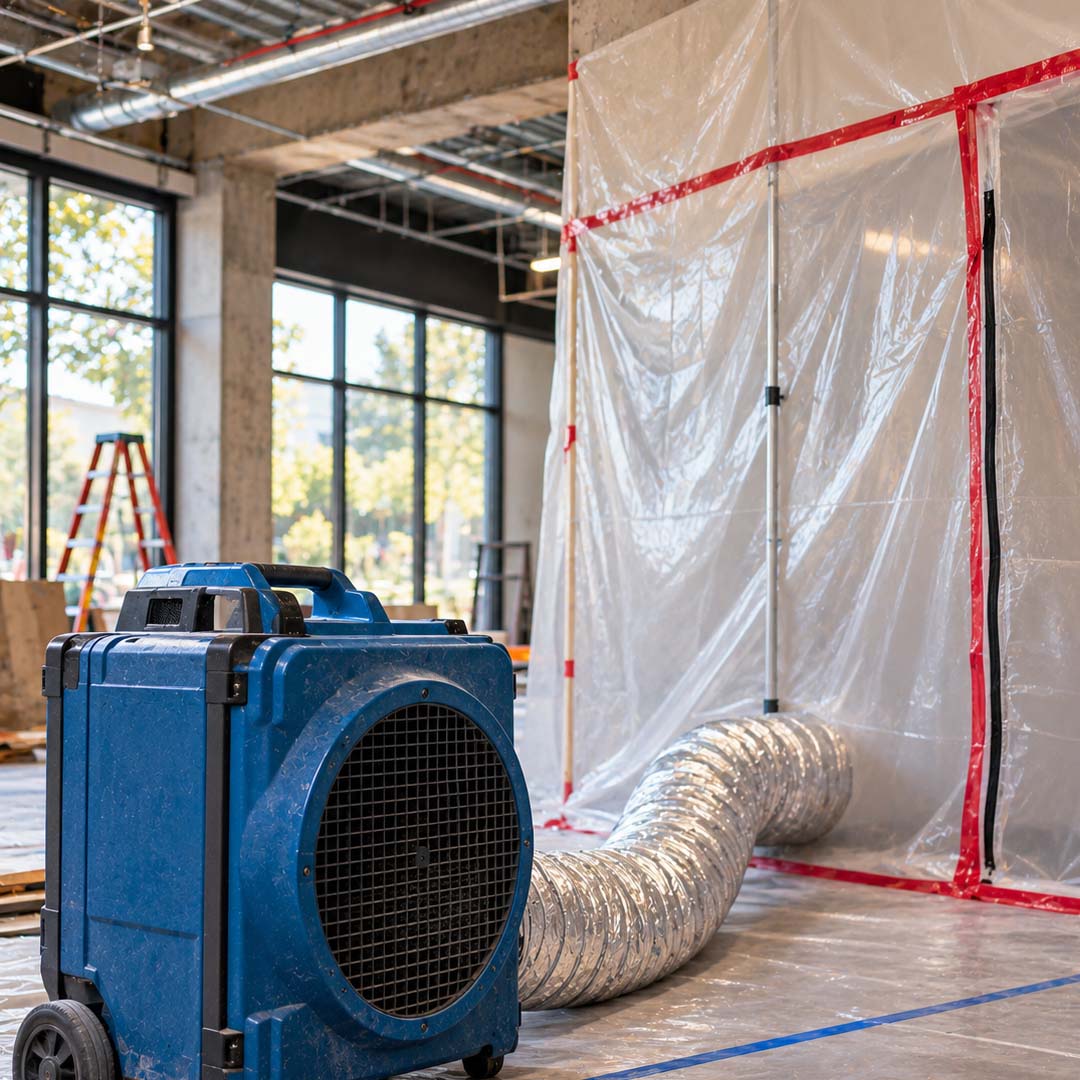
Depending on the work involved, contractors may need to establish containment areas, control dust migration and use specialized filtration equipment.
Indoor air quality assessments may also be appropriate when there are concerns about previous contamination, mould or the effectiveness of remediation work.
Indoor Air Quality Testing: Why It Matters and What the Results Really Mean
5. Environmental Hazards Can Affect Construction Timelines
One of the most frustrating situations for a commercial property owner is having a renovation project delayed after contractors have already started.
Unexpected asbestos, mould or other hazardous materials can affect demolition schedules, trade coordination and tenant occupancy dates.
Environmental work may involve several stages:
- Initial inspection and assessment
- Sampling and laboratory testing
- Establishing the scope of remediation
- Containment and specialized removal
- Cleaning and any required clearance procedures
- Releasing the affected area for reconstruction
The time required depends on the size of the project, the materials involved and the applicable safety requirements.
How Long Does Mould or Asbestos Remediation Take? What Property Owners Can Expect
Planning for these steps before construction begins can reduce the likelihood of unexpected interruptions.
6. Renovating an Occupied Commercial Building
Environmental remediation can become more complicated when businesses or tenants are still operating within a building.
Property managers may need to consider employee access, shared ventilation systems, neighbouring units and the movement of workers through common areas.
Depending on the nature and extent of the hazard, remediation may need to be completed in stages or during periods when affected spaces are unoccupied.
Some projects may require temporary relocation or restrictions on access.
Proper assessment and coordination help determine what is appropriate for the specific building and scope of work.
7. Don’t Assume Previous Renovations Eliminated Environmental Hazards
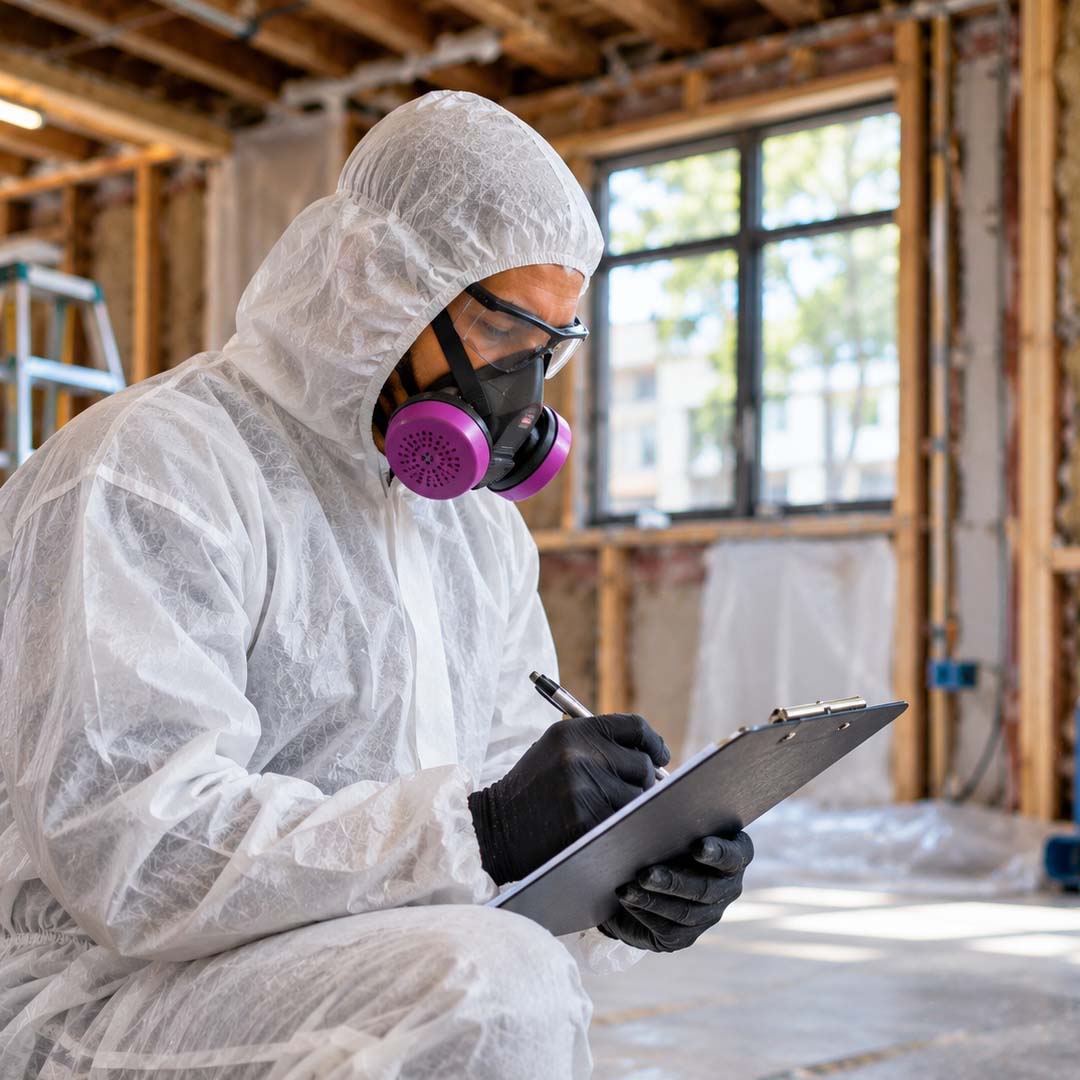
A commercial building may have undergone several renovations over the years.
New flooring, updated ceilings or modern wall finishes don’t necessarily mean older hazardous materials have been removed.
In some cases, original materials remain underneath newer finishes or inside concealed building cavities.
Property owners should avoid assuming that a previously renovated space is free of asbestos or other environmental concerns.
This is particularly relevant when converting an older commercial unit for a different use or undertaking substantial demolition.
Environmental Assessments Are an Important Part of Renovation Planning
For property owners, contractors and building managers, environmental assessments are about more than identifying hazardous materials.
They help establish the scope of work, identify potential complications and provide information needed to coordinate construction activities safely.
Addressing environmental concerns early can also help prevent unexpected costs and interruptions once renovation work is underway.
SWIPE Contracting works with residential and commercial property owners throughout British Columbia on environmental concerns involving asbestos, mould, hazardous materials and remediation.
If you’re preparing to renovate an older commercial building, identifying potential environmental hazards before demolition begins is an important first step.
Frequently Asked Questions
Is asbestos testing required before renovating a commercial building in BC?
WorkSafeBC requires appropriate identification and assessment of asbestos hazards before work that could disturb asbestos-containing materials. The specific requirements depend on the building, materials and proposed activities.
What environmental hazards are common in older commercial buildings?
Potential concerns include asbestos-containing materials, lead-based paint, mould, hidden moisture damage and certain hazardous substances in older building components.
Can a commercial building remain occupied during asbestos or mould remediation?
It depends on the hazard, extent of the work, containment arrangements and whether occupants can be protected. Some projects may allow unaffected areas to remain operational, while others require restricted access or temporary relocation.
What happens if asbestos is discovered during demolition?
Work that could disturb the suspect material should stop until it has been appropriately assessed. If asbestos is confirmed, applicable abatement and safety requirements must be followed before affected work resumes.
Should a hazardous materials survey be completed before a commercial renovation?
A survey is an important consideration for older commercial buildings, particularly where demolition or alterations could disturb concealed materials. The assessment should address the hazards relevant to the proposed scope of work.